Manual Processes
Teams rely on spreadsheets, paperwork or repetitive data entry.
Software Development Services
Arth Technology plans, develops, integrates and improves business software for operational workflows across web and mobile environments, including ERP, CRM, SaaS platforms, inventory systems, manufacturing software, web applications, mobile apps and business automation.
Quick Answer
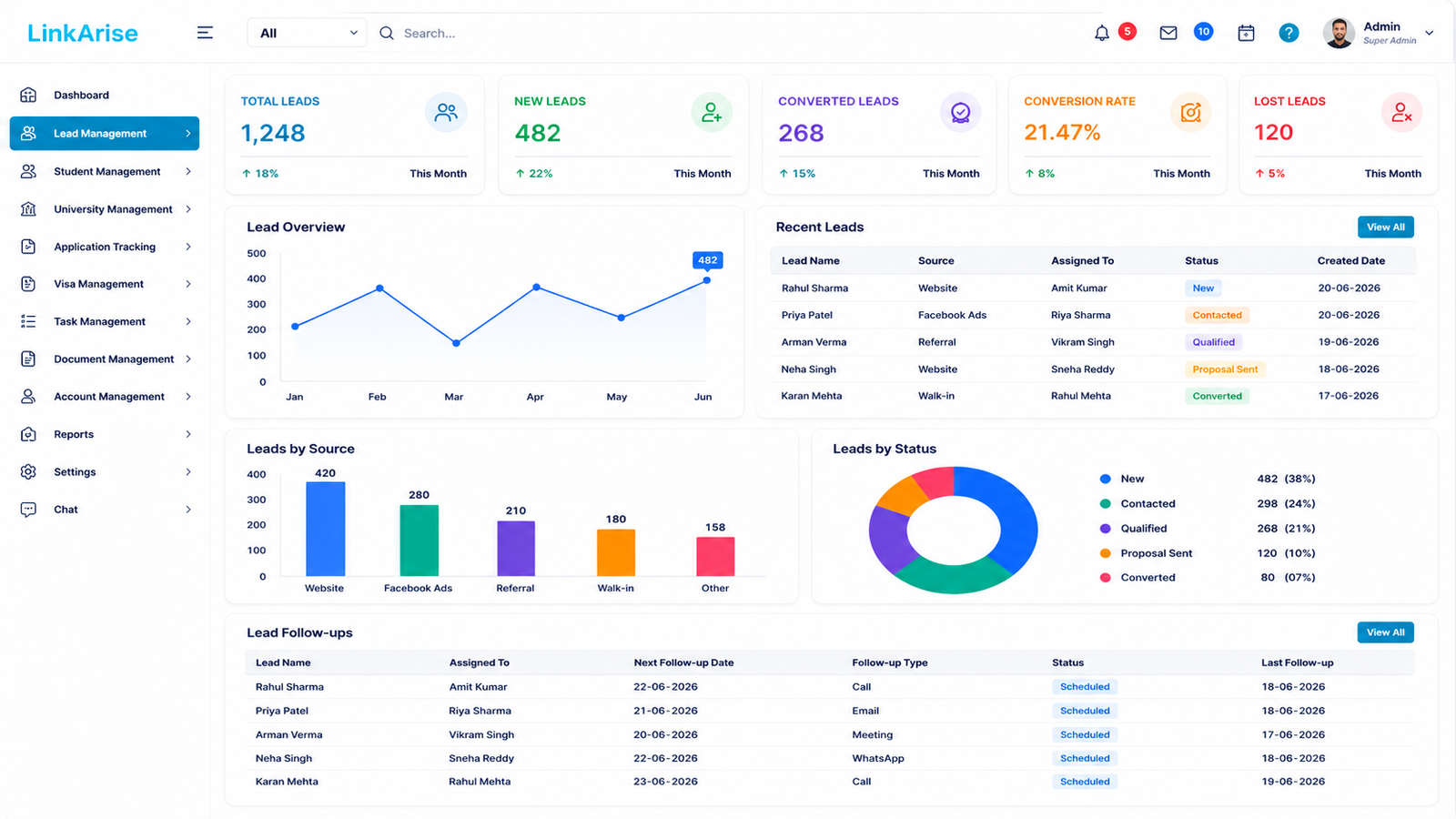
A software development company designs, develops, integrates and maintains applications that solve business or customer problems. Projects can include ERP systems, CRM platforms, SaaS products, web applications, mobile apps, internal business systems and workflow automation. The process normally includes requirements analysis, workflow mapping, architecture, development, testing, deployment and ongoing improvement.
| Question | Quick Answer |
|---|---|
| What can be developed? | ERP, CRM, SaaS, web apps, mobile apps and business systems |
| Who is it for? | Organizations that need software to support business processes or digital products |
| Platforms | Web, mobile, cloud and integrated systems |
| Typical process | Discovery, scope, design, development, QA, deployment and improvement |
| Integrations | APIs and supported third-party systems where access is available |
| Support | Maintenance and support can be planned according to the selected engagement scope |
Business Problems
Software investment is strongest when it removes operational friction, connects teams, improves visibility or creates a digital product that existing tools cannot support well.
Teams rely on spreadsheets, paperwork or repetitive data entry.
Sales, inventory, service and finance use separate software with duplicated data.
Management cannot easily see live status across departments.
Standard software does not match important workflows.
Customers, dealers or field teams need portals, apps or self-service systems.
Existing systems cannot handle additional users, branches, transactions or workflows.
Older applications become difficult to maintain, integrate or extend.
The business needs to launch a SaaS platform, marketplace or customer-facing application.
Software Solutions
Use this section as a decision point: choose the broad software area that matches your workflow, then move into the specialist service page for deeper planning.
Purchasing, inventory, production, sales, dispatch, billing, operations and reporting.
Explore ERP SoftwareLead capture, assignment, follow-up, pipeline, telecalling, quotations, history and reports.
Explore CRM SoftwarePurchase, raw material, production, BOM where applicable, packing, QA, finished stock and dispatch.
Explore Manufacturing ERPStock, purchase orders, goods inward, warehouse, transfers, dispatch and reporting.
Explore Inventory SoftwareWeb applications with subscriptions, role-based users, administration, dashboards and API integrations.
Explore SaaS DevelopmentCustomer portals, dealer portals, admin systems, dashboards, operational systems and marketplaces.
Explore Web ApplicationsField staff, customer, CRM, service and enterprise mobile applications connected to business systems.
Explore Mobile AppsApprovals, notifications, workflow automation, reporting, data synchronization and integrations.
Explore Business AutomationDevelopment Services
Solutions describe what gets built. Services describe the development capabilities used to plan, deliver, integrate and improve the software.
For workflows that cannot be handled well by fixed software. Useful when rules, roles or reports are specific to the business.
Explore custom software development servicesFor browser-based portals, dashboards and operations systems that teams can use across locations.
Explore Web Application DevelopmentFor customer apps, field-force apps, CRM apps and mobile workflows connected to backend software.
Explore Mobile App DevelopmentFor multi-role, multi-department software that needs structured permissions, data flows and reporting.
Explore Enterprise SoftwareFor businesses building subscription, marketplace or multi-user products with admin and customer-facing interfaces.
Explore SaaS DevelopmentFor connecting websites, apps, ERP, CRM, payment, communication and reporting systems where API access is available.
View Integration CapabilitiesFor improving older applications, replacing spreadsheet-heavy processes or rebuilding modules that limit operations.
View Modernization ApproachFor clarifying requirements, comparing build options, mapping workflows and preparing a practical development scope.
Discuss Software ConsultingWorkflow-Led Development
Useful software should reflect how work actually moves through a team, not only how a feature list looks on paper.
Real Projects
These case studies use verified workflow and module information from existing Arth Technology case-study pages. No results, revenue, user counts or performance percentages are claimed here.
Featured Project
Manufacturing and inventory software connecting purchase orders, inward material, raw-material inventory, production, packing, SKU inventory, distributor and retail orders, dispatch, billing and payment tracking.
View Spyran Masala Case StudySales and manufacturing workflow covering inquiry, follow-up, quotation, order, manufacturing, QA, delivery, installation, invoice and payment reminder stages.
View Tulsi Fiber Case StudyCRM, AMC and field service platform with customer requests, sales, engineer allocation, service visits, completion updates and payment workflows.
View Sminder Case StudyMulti-vendor marketplace with customer website, customer app, vendor app, delivery person app and admin panel workflows.
View Dropaz Case StudyMethodology
The development approach starts with the business process, then moves into scope, architecture, interface design, development, testing, launch and planned improvement.
Understand business goals, users, process pain points and current tools.
Map real operational stages, roles, approvals, data and reports.
Define modules, priorities, integrations, assumptions and delivery phases.
Plan data structure, permissions, application surfaces and integration approach.
Build usable modules in a sequence that supports review and feedback.
Test workflows, validation rules, permissions, reports and critical user paths.
Prepare hosting, data migration where scoped, user access and launch support.
Review usage, resolve issues and plan future modules or refinements.
Industries
Arth Technology's website includes software and case-study coverage across manufacturing, field service, education, retail, marketplaces and business operations.
ERP, inventory, production, packing, dispatch and billing workflows.
Explore ManufacturingMarketplaces, customer apps, vendor workflows, inventory and order management.
Explore Retail & EcommerceLead, admission, counselling, application, fee and student communication systems.
Explore EducationField service, CRM, AMC, assignments, mobile updates and service history.
Explore Field Service SoftwareBuild Decision
Custom software is worth considering when an important workflow cannot be managed cleanly through available products, or when a connected platform would reduce duplicate work across teams. Standard SaaS may be better when requirements are common, budget is limited and the process can adapt to the product.
Compare custom software development servicesArchitecture & Integrations
Business software often needs more than screens. It needs structured data, role-based access, reliable workflows, integrations, reporting and maintainable foundations for future change.
Admin, manager, staff, customer, vendor, dealer or field-worker views can be scoped according to workflow needs.
Integrations can be planned with payment, SMS, email, WhatsApp options, accounting, CRM, ERP and other systems where access is available.
Operational dashboards and reports help teams review status, follow-ups, pending tasks, inventory and business activity.
The same system can include admin web panels, customer portals and mobile applications when the workflow requires it.
Existing spreadsheets or database exports can be reviewed for mapping, cleaning, import testing and validation when migration is in scope.
Modular planning helps separate CRM, inventory, billing, reporting, user roles and integrations for easier future improvement.
Technology Capabilities
Technology choices should follow the product, not the other way around. Arth Technology can scope browser-based applications, mobile applications, admin systems, reporting dashboards, database-backed software and API-connected systems according to business requirements.
Portals, dashboards, admin panels and operational interfaces.
Customer, field-force, service, CRM and enterprise mobile workflows.
Structured records, searchable data, exports, dashboards and reports.
API-led connections between software modules and supported third-party services.
Modernization
Modernization can mean improving an existing system, replacing manual spreadsheets, rebuilding outdated modules or connecting disconnected tools. The right approach depends on current software condition, data quality, business risk and the importance of continuity.
Planning
Software development cost depends on scope, complexity and delivery expectations. A responsible estimate should follow workflow discovery, module planning and integration review instead of relying on generic price ranges.
Get a Project EstimateDelivery Planning
Timeline depends on the approved scope, number of modules, integration complexity, review cycles, data readiness and deployment requirements. A phased roadmap is usually clearer than a single broad deadline for larger systems.
Clarify goals, workflows, priorities and assumptions.
Prepare user flows, data structure, permissions and system approach.
Develop modules, review with stakeholders and refine critical paths.
Test workflows, prepare deployment, train users where scoped and monitor launch.
Quality
Quality planning should cover reliable workflows, permission checks, practical validation, clear reporting and maintainable code. Security and support expectations should be agreed in the project scope, hosting model and maintenance plan.
Check core paths such as lead assignment, order approval, stock movement, billing, service completion or marketplace order flow.
Plan role-based permissions so users see and act on the parts of the system relevant to their responsibility.
Keep modules, integrations and reports documented enough for future changes, handover conversations and support planning.
Why Arth Technology
Arth Technology is based in Vadodara, Gujarat, India and focuses on business software that reflects operational workflows. The strongest evidence on this page is the combination of specialist service pages, documented workflow examples and case studies across manufacturing, CRM, field service and marketplace software.
Projects are framed around how the business operates, including users, approvals, data movement and reporting needs.
ERP, CRM, inventory, SaaS, web applications, mobile apps, integrations and automation are connected through one software-development hub.
Existing case-study pages document real modules and workflows without relying on unsupported success percentages.
Decision Router
Choose the closest starting point and move into the specialist page for deeper information.
CRM Software
Explore CRM SoftwareERP Software
Explore ERP SoftwareManufacturing ERP
Explore Manufacturing ERPInventory Software
Explore Inventory SoftwareSaaS / Web Application
Explore SaaS DevelopmentCustom Software Development
Explore Custom SoftwareRelated Specialist Services
Guides & Resources
Use this guide when comparing partners, discovery process, scope clarity, project communication and software ownership expectations.
Read Software Company GuideReview business fit, users, reporting needs, integrations and long-term support before choosing software.
Read Selection ChecklistCompare when a packaged tool is enough and when business-specific development may be more practical.
Compare Software OptionsUnderstand whether your immediate need is customer management, operational control or a connected system.
Read ERP vs CRM GuidePlan automation value around saved time, reduced manual follow-up, cleaner accountability and process visibility.
Read Automation ROI GuideReview practical AI considerations before adding AI features to business software or operational workflows.
Read AI in Business GuideFAQs
A software development company plans, designs, builds, integrates and maintains applications that solve business or customer problems. Work can include ERP, CRM, SaaS, web applications, mobile apps, internal systems, integrations and automation.
Business software can include ERP systems, CRM platforms, inventory management, manufacturing workflows, SaaS products, web portals, mobile apps, dashboards, marketplace platforms, field service systems and automation tools.
Software development is the broad capability of building applications and systems. Custom software development is a specialist form of that work where the software is designed around a specific company's workflow, users, rules, reports and integrations.
A company should consider custom software when standard tools force too many workarounds, teams duplicate data across systems, approvals are hard to track, reports are unreliable or the workflow itself creates competitive value.
Cost depends on modules, user roles, workflow complexity, interfaces, mobile needs, integrations, reports, data migration, hosting and support expectations. A useful estimate should follow a review of scope and requirements.
Timeline depends on approved scope, integrations, data readiness, review cycles and deployment needs. Larger systems are usually planned in phases so the most important workflows can be reviewed and improved first.
Yes, integrations can be planned for existing ERP, CRM, accounting, website, communication, payment, reporting and third-party systems where API access, exports or supported integration methods are available.
Yes. A business system can include a web admin panel, user portals, customer apps, field apps or service apps when those surfaces are required by the workflow and approved scope.
Post-deployment work can include launch monitoring, issue resolution, user support, backups, security updates, small improvements and future module planning depending on the selected support and maintenance arrangement.
Software Consultation
Share your workflow, users, current tools and software goals. Arth Technology can help identify whether ERP, CRM, SaaS, mobile app, automation or custom software is the right starting point.